
Product
Service alerts for each resident's own block
Trash and recycling, street sweeping, leaf collection and holiday greenery, matched to the resident's address and sent by text, email or app. Fewer residents call to ask when the truck is coming.
We built it in 2017 for the DC Department of Public Works, and it has been in use ever since. Residents there know it as MyDPW, and in October 2026 it got new apps for iPhone and Android and a new web app.
Alerts matched to each address
Most notification tools send the same message to everyone. A resident gets a street sweeping alert for half the city, decides it does not apply to them, and gets a parking ticket on Thursday. Then they call the department, which is the cost the alert was meant to prevent.
We use the department's own route maps. When a resident signs up, their address is matched to the trash, recycling and street sweeping routes it sits in. When staff send an alert, they pick the routes it is about, and only the addresses inside those routes get it. Parking alerts are matched by license plate instead.
What residents see
Residents save the addresses they care about (home, work, a parent's house) and see what is coming at each one. The next trash and recycling days, their street sweeping blocks and leaf collection sit on one screen, and a tap opens the full schedule.
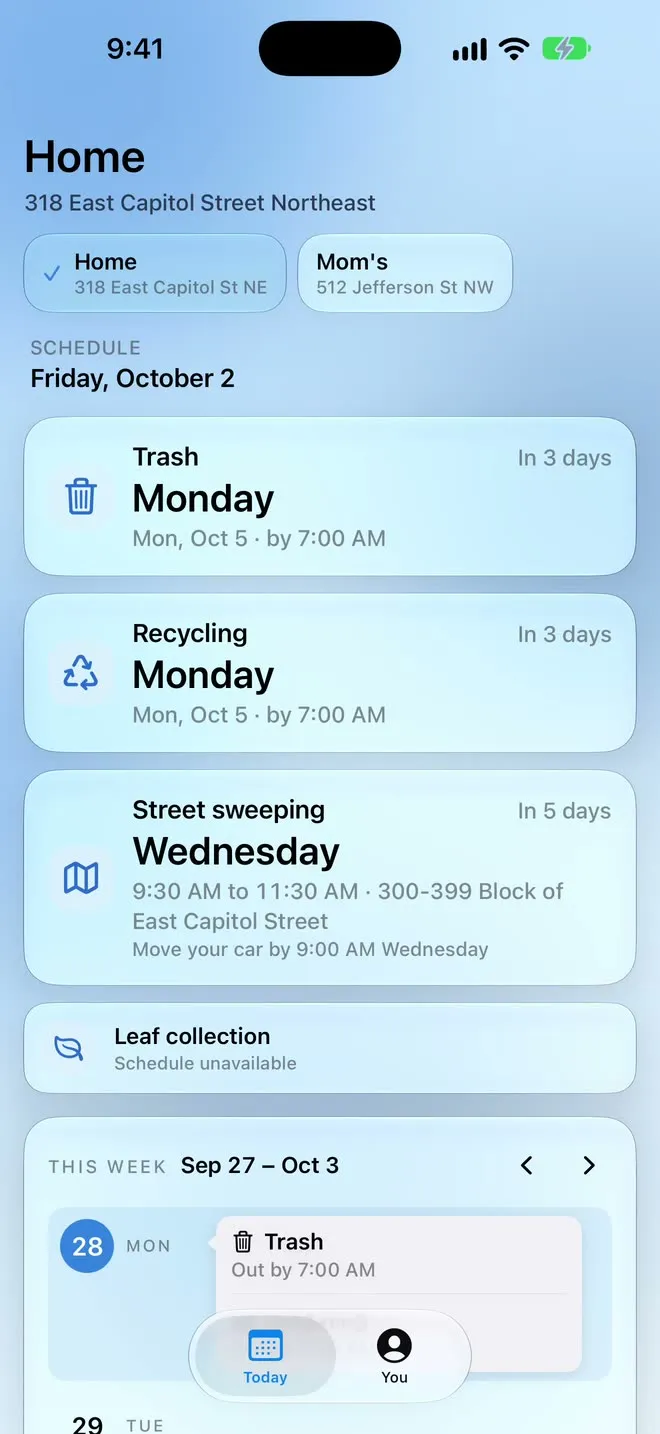
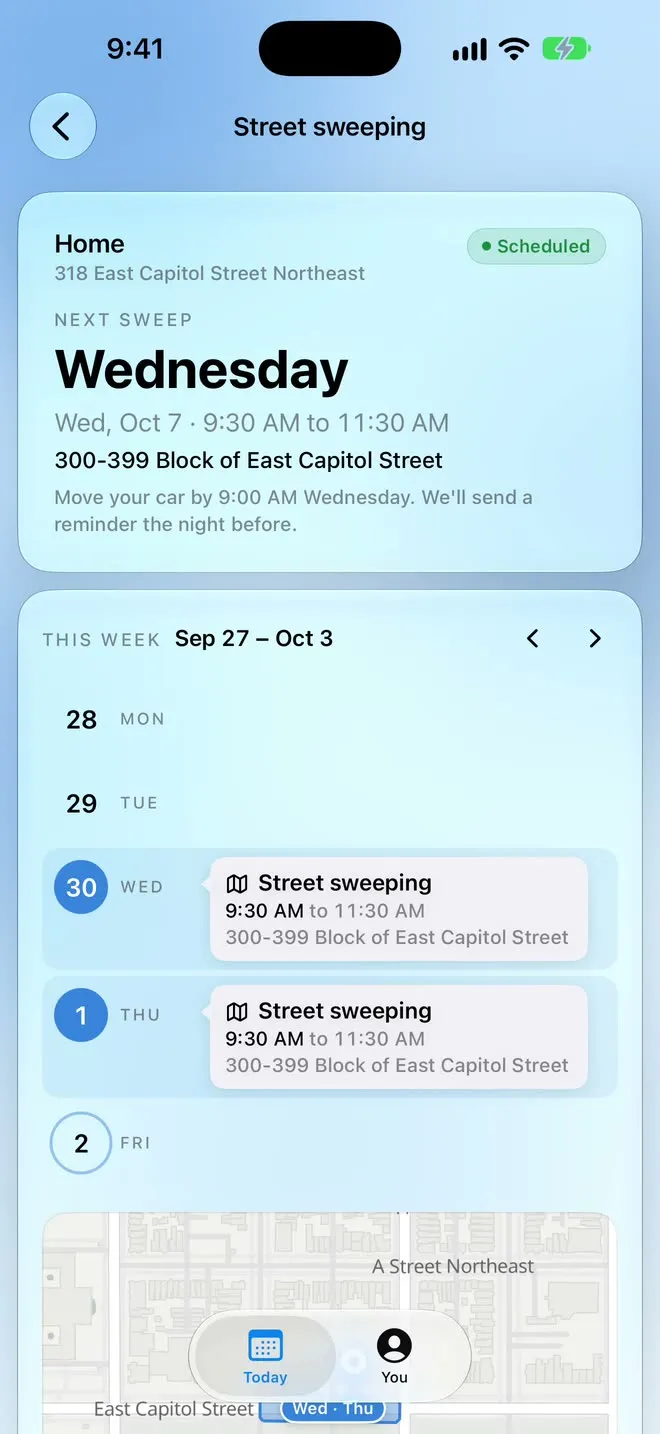
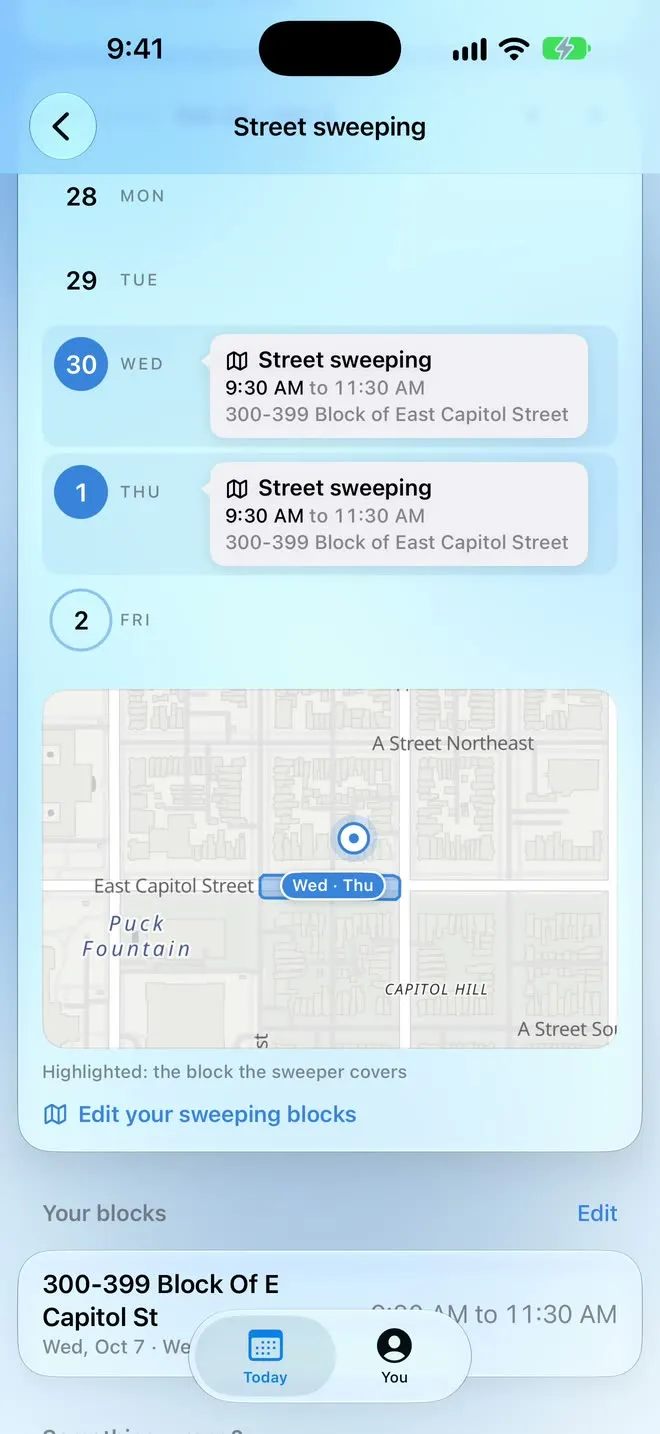
A launch video for the department to share
For the October 2026 release we made a short video the department can post: all four services in one place, the Today screen, reminders, holiday changes, picking your street sweeping blocks and leaf collection. The app screens in it are a real recording of the app.
What it does
- A campaign for each service
- Each service has its own campaign, with its own schedule, messages and audience: trash and recycling, street sweeping, leaf collection and holiday greenery. Reminders, cancellations and service disruptions are separate messages, so a canceled day never uses the reminder text.
- Matched by location
- Each address is matched to the department's own routes. Parking alerts are matched by license plate, and one-time messages can go to any group of residents the department selects.
- Seasons, holidays and exceptions
- Street sweeping runs from March through October, and leaf collection in the late fall. Schedules follow calendar rules, with holiday and exception dates for the weeks that are different.
- Three channels, one subscription
- Text, email and app notifications. Residents choose their channels, and the department manages one list instead of three. Each department has its own delivery settings, and a test mode lets staff try a new campaign on real data without sending anything to residents.
- Where residents manage it
- A web app, and apps for iPhone and Android, all rebuilt in 2026. Residents add their addresses, choose their services and channels, see the week ahead at each place, and pick the street sweeping blocks where they park. They sign in with a code sent to their phone or email, so there is no password to remember.
- Each department gets its own setup
- Its own web address, branding, message templates, delivery settings and message queues, all on one shared system.
In use in Washington, DC since 2017
We built it in 2017 for the DC Department of Public Works, and it has run every season since, the pandemic years included. Each spring street sweeping starts, and each fall leaf collection takes over. In October 2026 we moved it to our current platform and released new apps for iPhone and Android and a new web app. Residents kept their addresses and alerts.
Built and still supported by our founder
Our founder wrote the original 2017 system and still supports it, so you would talk to him directly. It has had several major technical upgrades since then, all made by the person who wrote it.
The contractor is well versed in database design and system architecture.
Which service do residents call about most?
Start with that one. In a 30-minute demo, we will show you service alerts on a live system and explain what it takes to set up your routes.